AI voiceovers for ads are synthetic voice tracks generated by software instead of recorded by a human artist, and for many small businesses they are now good enough to use in product explainers, multilingual campaigns, and quick-turnaround social ads — but they are not always the right call, and knowing when to reach for a real voice actor instead can make or break how your brand sounds.
What Is AI Voiceover Technology, Exactly?
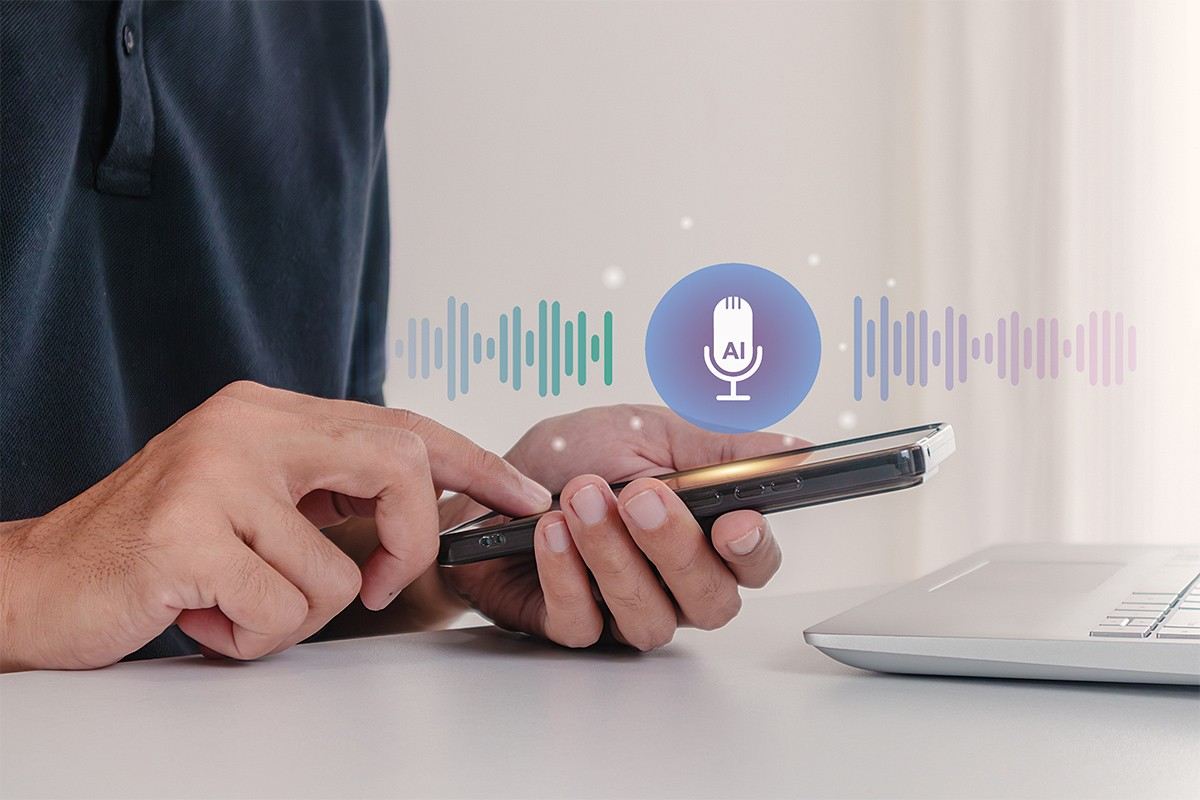
AI voiceover tools use text-to-speech models trained on thousands of hours of human speech to generate natural-sounding narration from a script you type in. Modern tools go well beyond the robotic voices of a few years ago — they handle pacing, emphasis, and emotion reasonably well, and many now offer Indian-accented English, Hindi, Punjabi, and other regional language voices out of the box.
You type or paste your script, choose a voice and tone (energetic, warm, formal, conversational), and the tool renders a finished audio file in a couple of minutes. Most platforms also let you adjust speed, add pauses, and re-render a single line without redoing the entire recording.
When AI Voiceovers for Ads Are a Smart, Cost-Effective Choice
Product explainers and how-to content
For a straightforward product walkthrough or feature explainer, viewers care about clarity and information, not vocal performance. AI voiceovers for ads handle this format well and let you update the script and regenerate audio in minutes when pricing or features change — something that would mean a whole new studio booking with a human voice artist.
Multilingual Punjabi and Hindi campaigns
Running the same ad in English, Hindi, and Punjabi used to mean booking three separate voice artists and three studio sessions. AI tools generate all three from one script in the time it takes to make a cup of chai, which is a genuine advantage for Amritsar and Punjab businesses targeting a mixed-language audience across Meta and YouTube.
Quick iteration and A/B testing
If you want to test five different scripts or tones for a Google or Meta ad campaign, re-recording each version with a human voice is slow and expensive. AI lets you generate all five variants same-day, run them, and keep only what performs.
Budget-constrained campaigns
For a small business testing a new ad format or a limited seasonal offer, AI voiceovers for ads remove the fixed cost of a studio session, making it realistic to try video and audio ads even on a modest monthly budget.
When a Real Human Voice Still Matters
Brand trust and long-term identity
If your brand voice appears across dozens of ads, your website, and your IVR system over years, a consistent, recognisable human voice builds familiarity that a generic AI voice usually can’t replicate at the same emotional depth.
Emotional storytelling
Ads built around a genuine emotional arc — a founder’s story, a customer testimonial, a heartfelt festive message — still land better with a real human performance. AI has improved, but subtle emotional nuance is where it still falls short most noticeably.
Premium positioning
A luxury clinic, a high-end jewellery brand, or a five-star hospitality business is often better served by a polished human voiceover, because the production quality itself signals the premium positioning the brand is trying to project.
A Practical Decision Checklist
- Is this a short-lived or testing campaign? Lean AI.
- Do you need the same ad in 2–3 languages fast? Lean AI.
- Is this a flagship brand campaign that will run for a year or more? Lean human.
- Does the ad rely on genuine emotional storytelling? Lean human.
- Is budget the main constraint right now? Lean AI, and reassess once the campaign proves itself.
Cost Comparison: AI Voiceovers for Ads vs Human Voice Artists
- Human voice artist (Punjab/North India market rates, illustrative): roughly ₹2,000–₹10,000 per finished ad depending on length, language, and the artist’s experience, plus studio and revision time of 1–3 days.
- AI voiceover tools: typically ₹500–₹2,000 a month for a subscription covering unlimited or high-volume generation across multiple languages, with output ready in minutes.
- Hybrid approach: many brands record one strong human voiceover for their flagship brand video and use AI for the dozens of smaller, shorter-lived ad variations that follow.
These are general, illustrative ranges based on the market we see across our clients, not fixed quotes — actual pricing depends on the specific tool, artist, and campaign scope.
How This Fits Into a Broader AI Video Strategy
AI voiceovers for ads rarely work in isolation — they’re usually paired with AI-generated video, avatars, or animated visuals to produce a complete ad unit quickly. If you’re building out a full video ad strategy, our guide to AI video ads for small businesses in India covers the wider picture, and our piece on AI avatar marketing for Punjab small businesses looks at pairing a synthetic voice with a talking avatar for an even faster production pipeline.
It’s also worth understanding how AI is reshaping the broader marketing landscape — our overview of how AI is changing digital marketing in 2026 puts voiceover technology in that larger context.
Getting Started With AI Voiceovers for Ads
- Write a tight script — AI voiceover quality depends heavily on clean, well-punctuated text, so avoid run-on sentences and awkward abbreviations.
- Pick a voice and tone that matches your brand and test 2–3 options before committing.
- Generate the audio and review it against a real script read-through to catch mispronunciations, especially with brand names or Punjabi/Hindi words mixed into an English script.
- Pair it with your video or ad creative and check timing against on-screen text or captions.
- Follow your ad platform’s format guidance when uploading — Google Ads’ video ad format requirements affect how audio and visuals need to be structured for approval.
Frequently Asked Questions
Do AI voiceovers for ads sound robotic or unnatural?
Not anymore, for the most part. Modern AI voice tools produce natural pacing and inflection that most viewers won’t flag as synthetic, though very long or emotionally complex scripts can still sound slightly flat compared to a skilled human performer.
Can AI voiceovers handle Punjabi and Hindi well?
Yes, leading tools now offer decent Hindi and Punjabi voices, though pronunciation of less common words or mixed-language (Hinglish/Punglish) scripts sometimes needs manual review and re-generation to sound fully natural.
Is it legal and ethical to use AI voiceovers in ads?
Yes, as long as you’re using a licensed AI voice tool and not cloning a specific real person’s voice without their consent. Most reputable platforms provide stock synthetic voices that are fully licensed for commercial ad use.
How much does an AI voiceover for a 30-second ad cost?
With a monthly subscription tool, the marginal cost of one 30-second ad voiceover is close to zero once you’ve paid for the plan, which typically runs ₹500–₹2,000 a month for unlimited or high-volume generation.
Should a new small business always start with AI voiceovers?
For most first-time or budget-limited campaigns, yes — it lets you test messaging and formats cheaply. Once a specific ad or campaign proves itself and will run long-term, it’s often worth upgrading that one asset to a human voiceover for extra polish.
The honest answer for most Amritsar and Punjab small businesses is a hybrid one: use AI voiceovers for ads to move fast, test cheaply, and cover multiple languages, and reserve a human voice for the flagship campaigns where brand trust and emotional connection matter most. If you’d like help figuring out where your ad budget should go, our digital marketing services in Amritsar page covers the full range of options, and our AI Voice Over Services can produce both AI and human-recorded voiceovers depending on what a given campaign needs.